
The Poodle: A Silent Supporter in Therapy and Emotional Healing

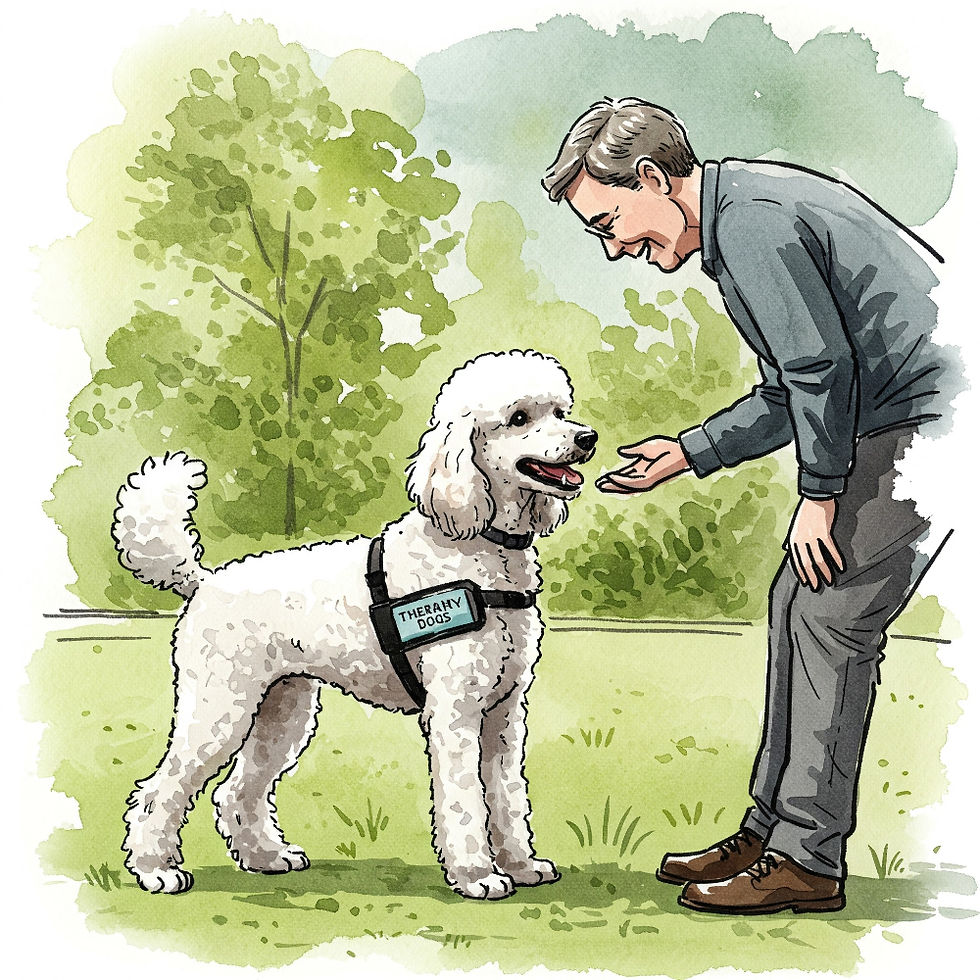
Poodles, often regarded for their elegance and intelligence, have found their way into various roles, one of the most significant being that of a therapy and emotional support animal. With their unique qualities and traits, poodles are making a remarkable impact on the mental health and emotional well-being of many individuals.
In this blog post, we will explore the different ways poodles contribute to therapy, the science behind animal-assisted therapy, and what makes poodles an exceptional choice for emotional support.
The Unique Traits of Poodles
Poodles come in three sizes: standard, miniature, and toy, each with its own distinct personality traits. Regardless of size, poodles are known for their intelligence and trainability. This breed is highly responsive to commands and eager to please, a combination that makes them perfect candidates for therapeutic roles.
Their hypoallergenic fur is another distinguishing feature, attracting those who may have allergies to other dogs. This makes them accessible for a broader audience, allowing more people to benefit from their calming presence without the worry of allergic reactions.
Understanding Animal-Assisted Therapy
Animal-assisted therapy (AAT) incorporates animals as a part of the therapeutic process, making it a unique and increasingly popular approach to mental health. The presence of an animal can create a non-judgmental environment that encourages individuals to open up and express themselves.
Studies show that interactions with therapy animals can reduce stress, anxiety, and depression while promoting feelings of safety and comfort. Poodles, with their gentle and friendly demeanor, excel in creating these supportive environments.
Emotional Support Animals: Providing Comfort in Times of Need
Emotional support animals (ESAs) are different from therapy animals in that they primarily provide comfort and companionship to their owners. Poodles serve this role exceptionally well, often forming strong bonds with their human companions.
Their intuitive nature allows them to sense emotional states, providing the needed support during challenging times. Many people find solace in their poodle's presence, often feeling less alone and more understood.
Benefits of Poodles as Therapy Animals
Unconditional Love and Affection
Poodles offer unconditional love, a vital element for emotional healing. Their ability to form strong bonds provides therapy clients a sense of love that can be healing in itself.
Non-Judgmental Presence
A poodle does not judge. This non-judgmental quality creates a safe space for clients to express their feelings without fear of ridicule or misunderstanding.
Increased Motivation and Engagement
The playful and energetic nature of poodles can encourage clients to participate in therapy sessions more actively. Their amusing antics can lighten the mood and make therapeutic exercises more enjoyable.
Reduction in Anxiety Levels
The calming effect of a poodle's presence can significantly reduce anxiety levels. When individuals pet and interact with their poodles, the act can therapeutically lower stress hormones and enhance feelings of calm.
Encouragement of Physical Activity
Poodles require regular exercise, which can motivate owners to maintain a healthy active lifestyle. Routine walks or playtime can be beneficial for both mental and physical health.
How to Train a Poodle for Therapy Work
The process of training a poodle for therapy or emotional support work involves several key steps:
Basic Obedience Training
Begin with basic commands like sit, stay, and come. A well-trained dog lays the foundation for further training.
Socialization
Exposure to different environments, sounds, and people can help a poodle become a well-adjusted therapy animal. This helps them feel comfortable in various settings.
Specialized Training
Training programs for therapy animals often emphasize specific skills. Consider enrolling your poodle in a specialized course or working with a professional trainer.
Certification and Registration
Depending on your location, you may need to certify your poodle with a recognized organization that trains therapy animals. This can enhance credibility and ensure proper standards are met.
Conclusion
Poodles are more than just a stylish breed; they are loyal companions that offer comfort, support, and healing. Their innate qualities make them one of the best choices for therapy and emotional support.
As awareness around mental health continues to grow, the role of animals in supporting human well-being becomes ever more critical. With their unique abilities to connect on an emotional level, poodles are undoubtedly silent supporters in therapy and emotional healing, showing us the profound bond between humans and animals.
In a world where mental health is increasingly recognized as a priority, poodles stand as a testament to the healing power of companionship. Their ability to provide love, support, and understanding makes them invaluable partners alongside healthcare professionals, paving the way for innovative approaches to emotional well-being.

Consider buying us a cup of coffee to help us to cover website hosting and maintenance.


Comments